



Paloma de la Cruz was born in Málaga, where she completed a Bachelor’s Degree in Fine Arts and a Master’s in Artistic Production. She is currently pursuing a PhD at the University of the Basque Country and lives and works in Madrid, where she has participated in both national and international art fairs such as ARCO (from 2020 to 2023), Estampa (from 2021 to 2024), and ARCOlisboa in 2022.
In addition to being an artist-in-residence at the Centro de Arte Contemporáneo de Córdoba in 2019, she has taken part in various residency programs such as Térmica Creadores in Málaga, Ifitry Residence in Morocco, Contextile in Porto, and Dekandoo in Senegal.
She has also participated in several competitions and group exhibitions, including the XVI Certamen Unicaja, La Iberoamericana de Toro, the group shows New Entries (T20 Gallery) and Descripción de un estado físico (Elba Benítez Gallery), as well as the NEIGHBOURS IV collection (Centro de Arte Contemporáneo de Málaga). In 2019, she was awarded First Prize in Málaga Crea.
Her solo exhibitions have been held in museums, galleries, and art centers such as the Centre Pompidou Málaga, the Museo Casa Natal Picasso, T20 Gallery, the Centro Párraga in Murcia, and Espacio INICIARTE in Córdoba.
Her work is part of collections such as CAC Málaga, DKV Collection, KELLS Collection, Sorigué Collection, and VANS.




Available
Available
Available
Available
19/09/2024 - 20/10/2024
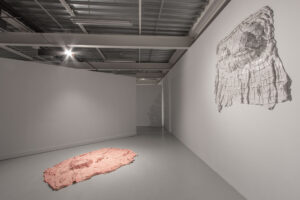
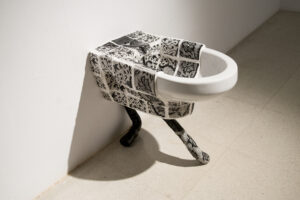
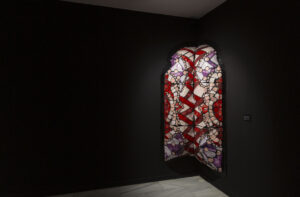
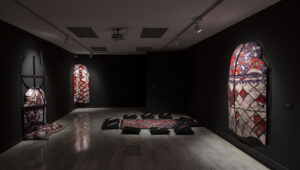
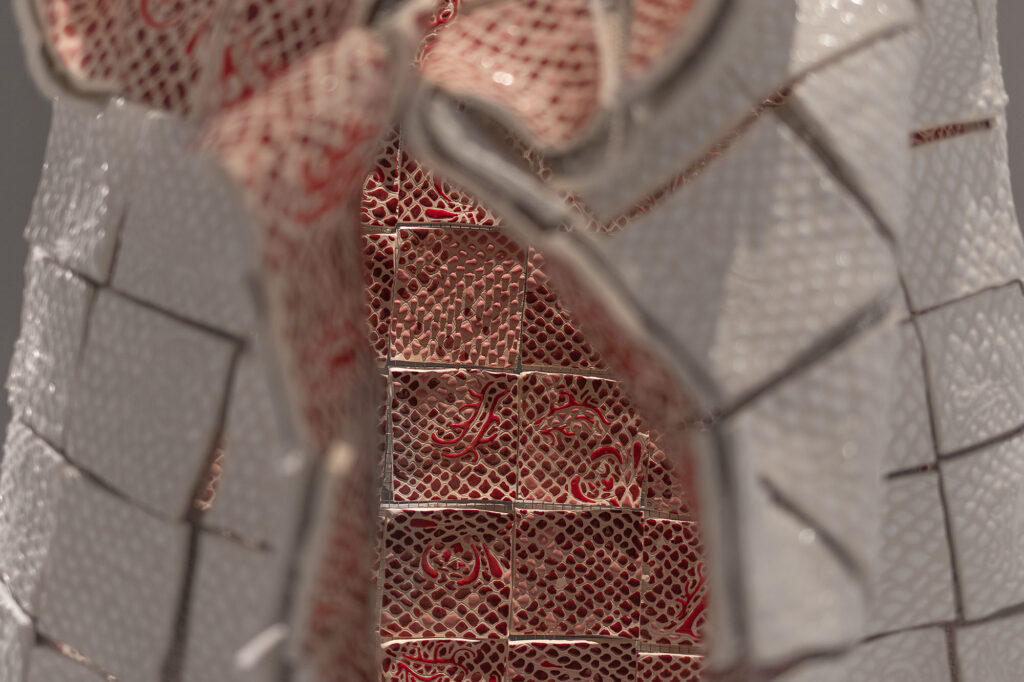
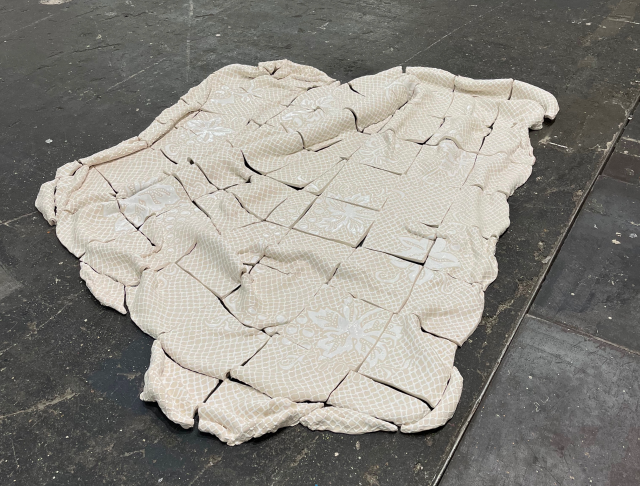
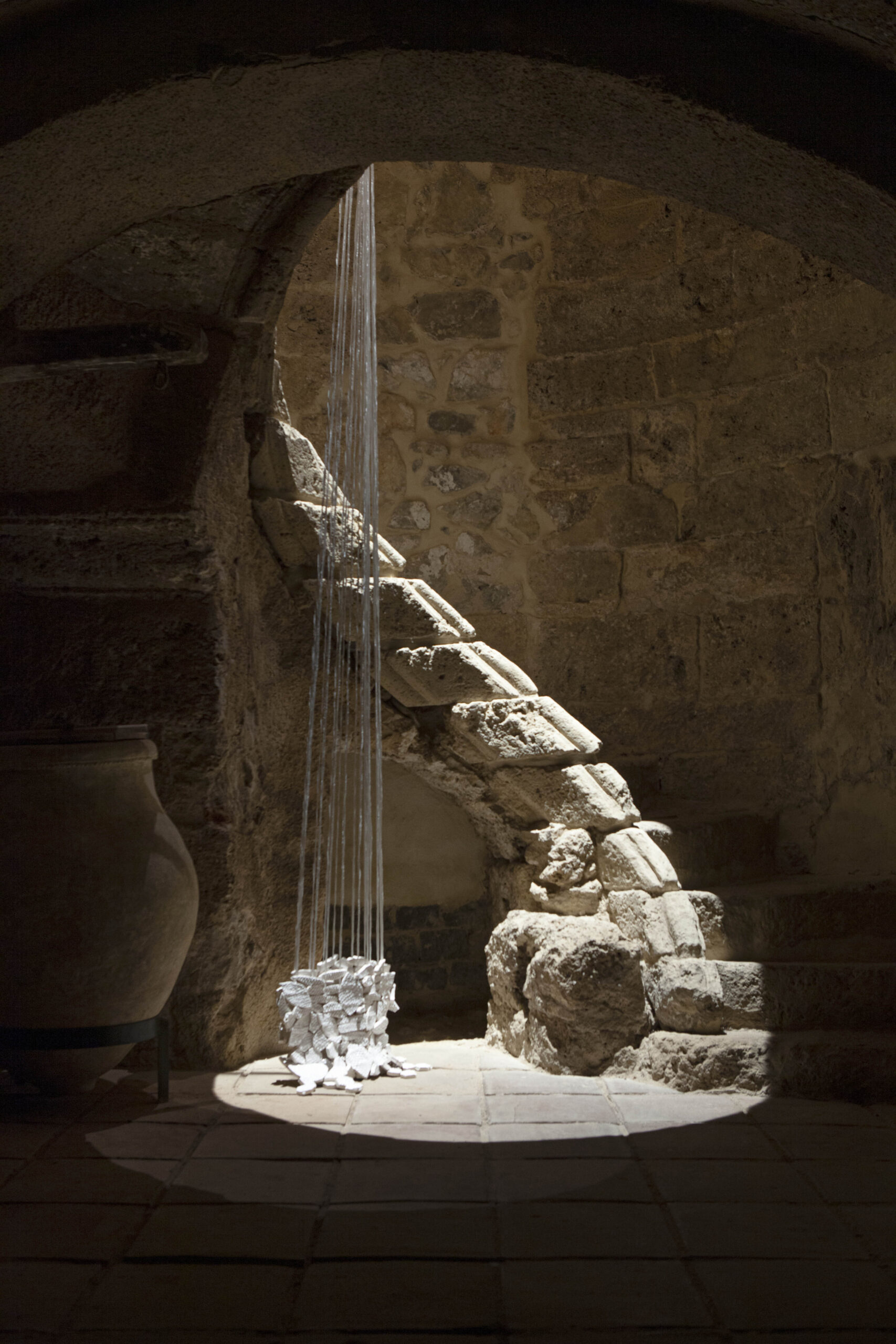
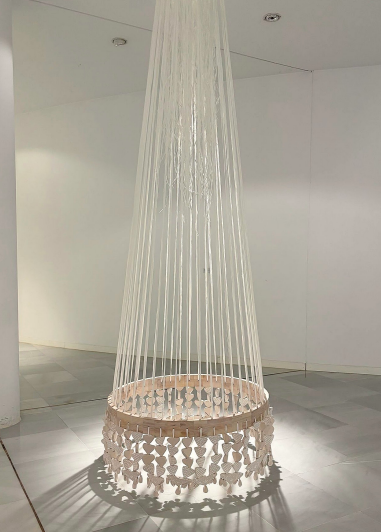
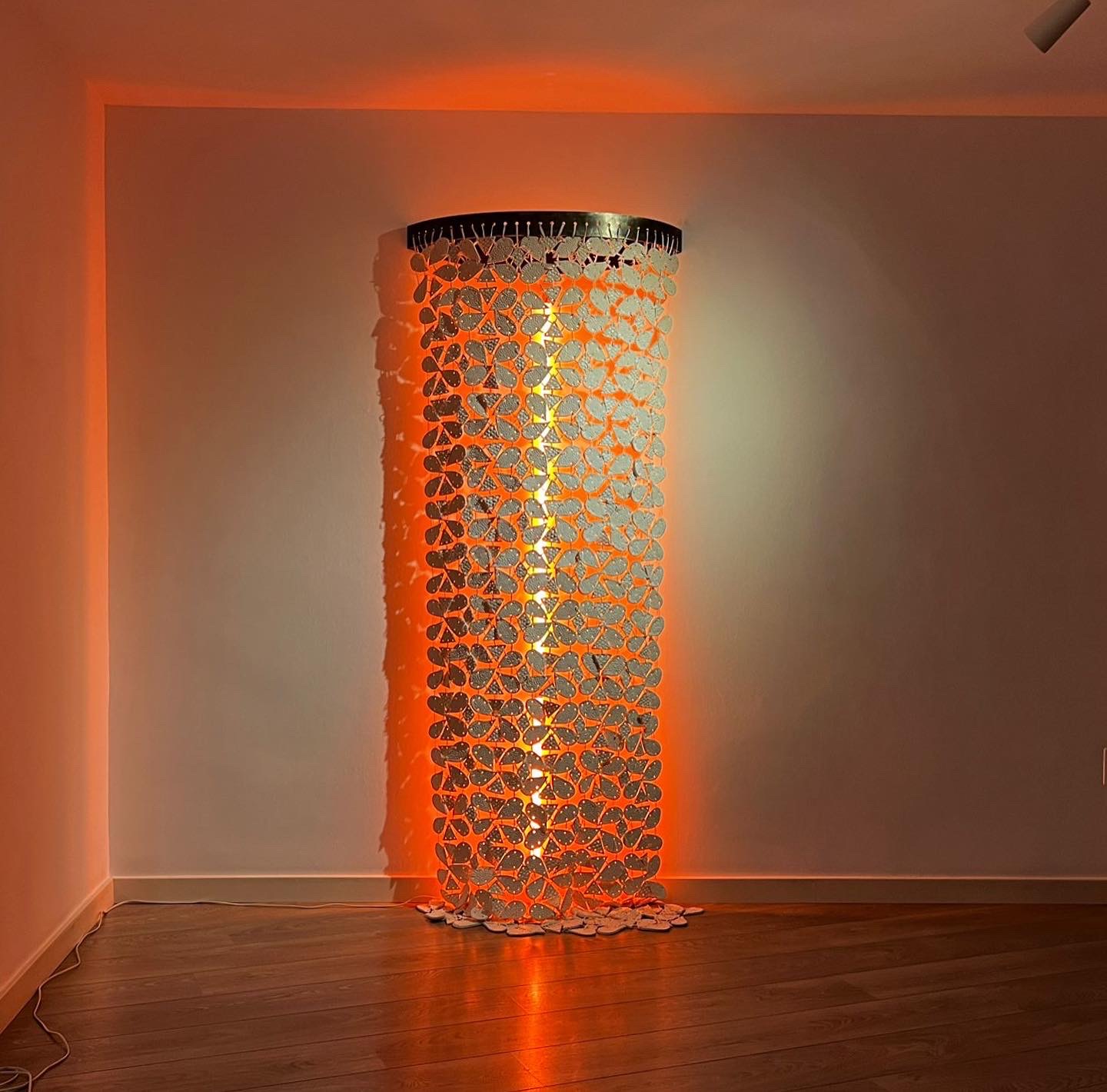
Paloma’s work focuses on the body and textiles. The artist elaborates on how the body is a type of tissue, an entity inhabiting a space, a body usually covered in fabric, but a body absent in the work. Multiple layers of meanings weave her work, while the artist wrapes her pieces with ceramic, thread, and fabric. Her work also has an architectural character due to the value that the artist places on the fact of inhabiting a space.
05/09/2025 - 09/11/2025
Paloma de la Cruz (Málaga, Spain, 1991) works with ceramics as an exploration of the body, the earth, and the territory: a symbolic and political act to connect “body with place.” Clay—vital and ancestral matter—becomes body, memory, and landscape; a vessel for the intimate and the collective. In her works, clay not only recalls its earthly origin but also acts as refuge, shield, and perhaps, prison.