|
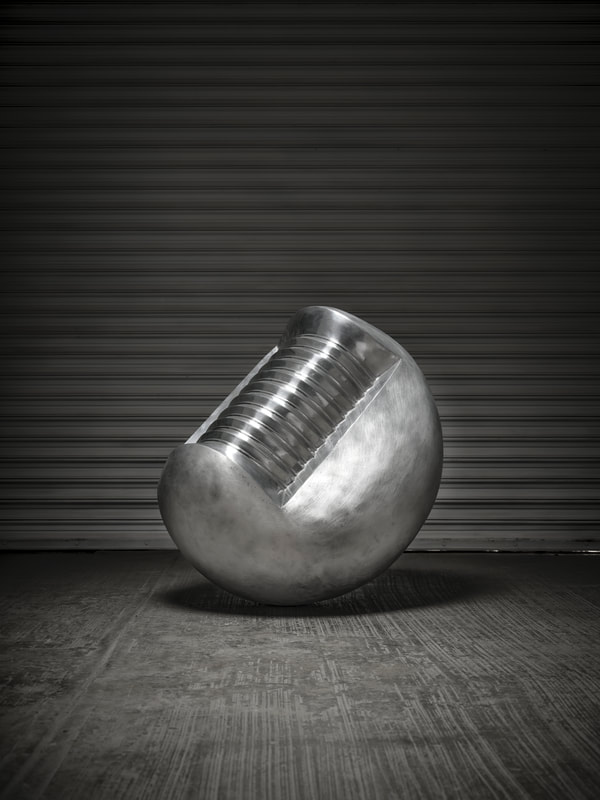
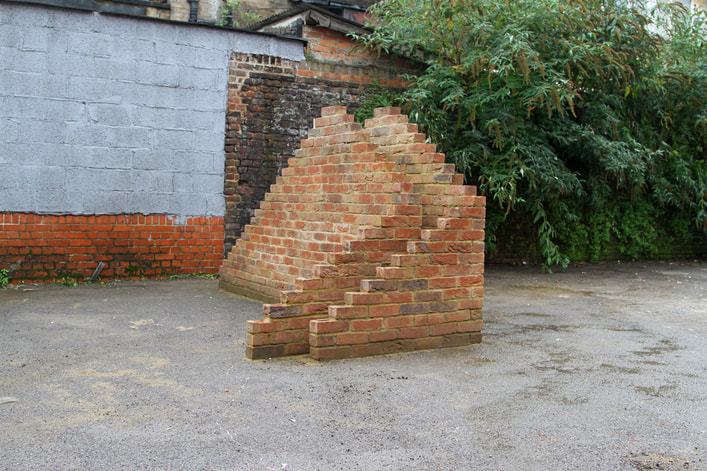
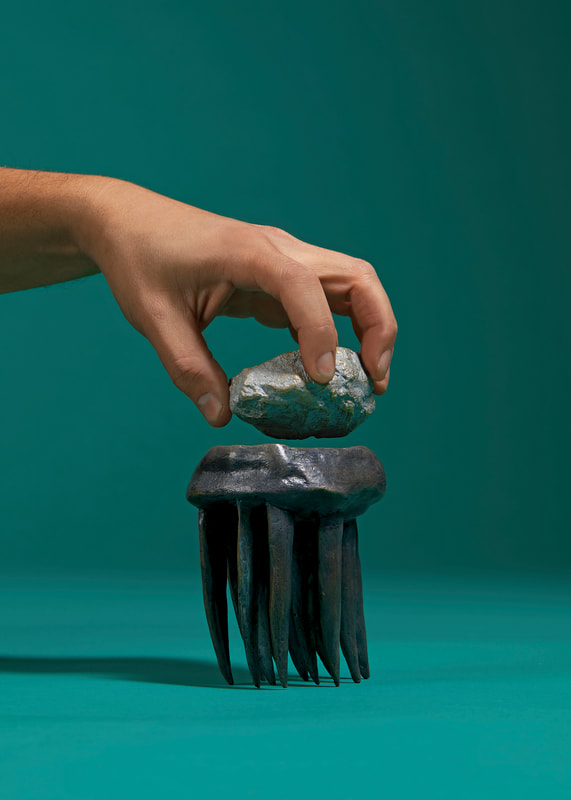
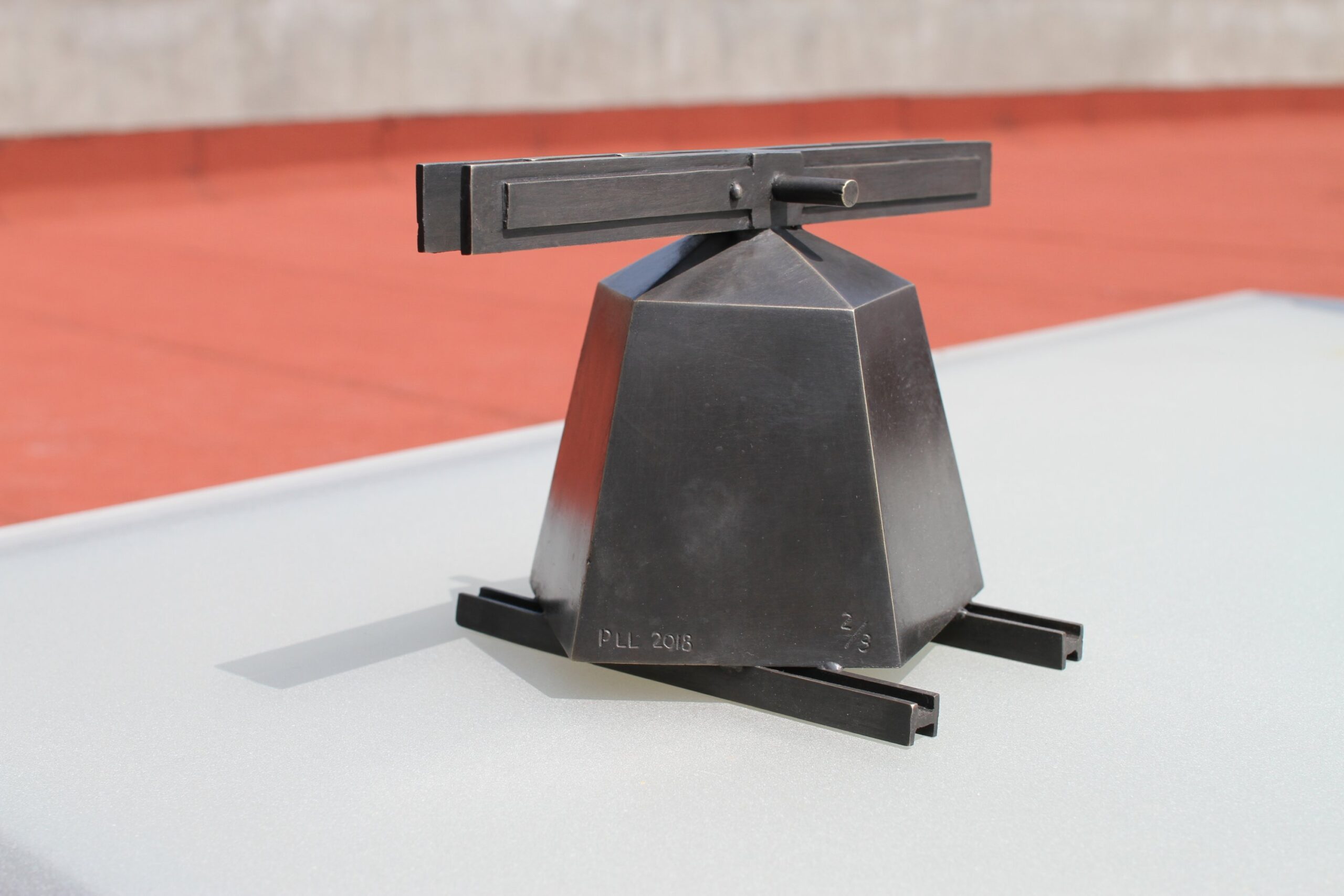
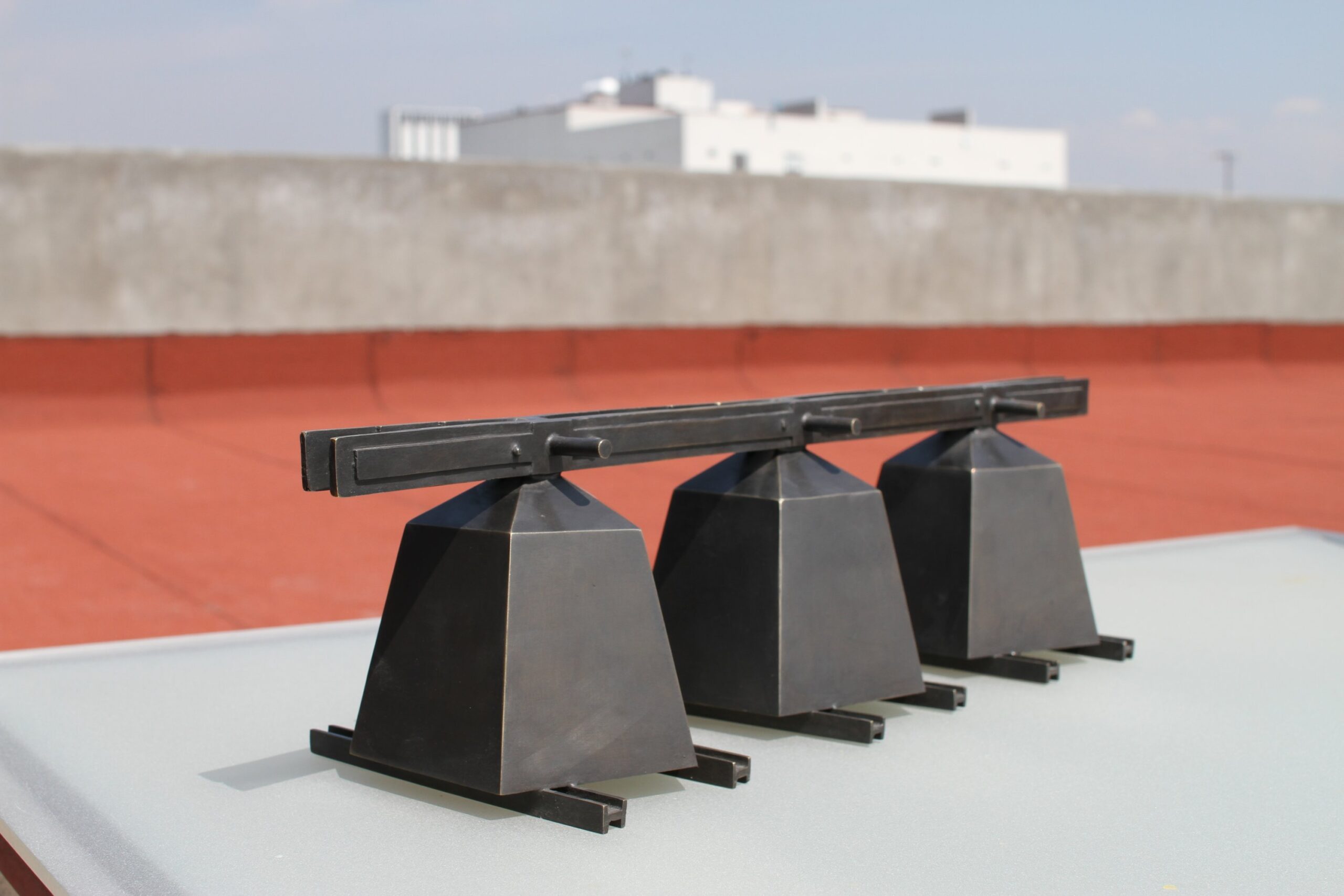
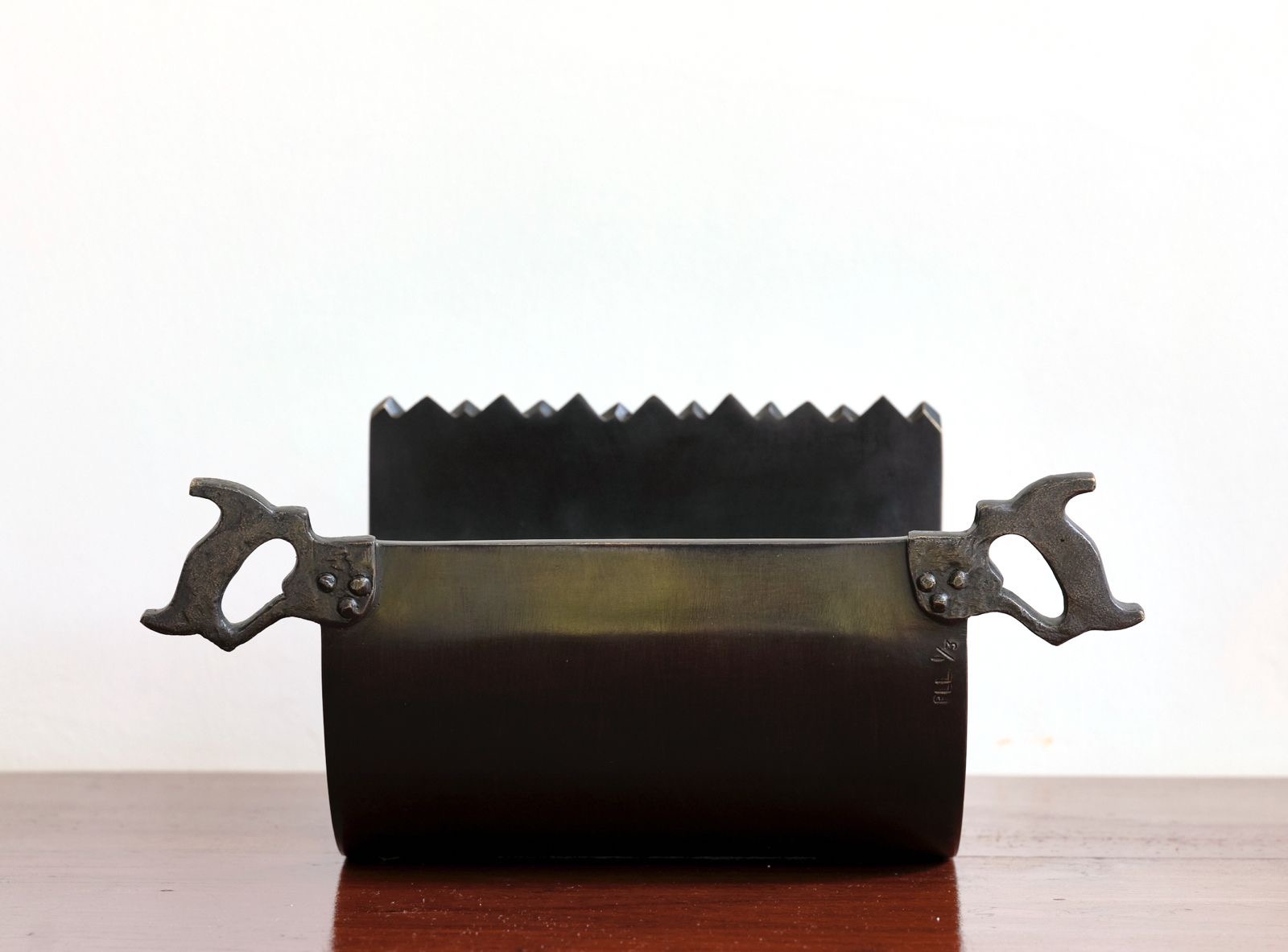
Pablo de Laborde Lascaris is a Mexican sculptor, trained as an artist in the United Kingdom and with a background in Sociology and Anthropology. Though he defines his practice as mixed media, he consistently returns to wood and cardboard for his maquettes. Conceptually, he juggles themes of materiality, play and transience using them to question the static reputation of sculpture. Growing up in Mexico City, he developed an affinity to materials, often pocketing objects found on the street or visiting flea markets to build up his collections of disregarded objects. It was there that he developed a fascination and respect for the craftsmanship and culture of repairing and altering everyday objects to extend their life and purpose beyond their life expectancy. During his studies and early career in the United Kingdom, this same passion led him to recuperate precious woods, strange objects from the Thames and architectural debris that were often left behind. These findings were then scrapped back to a raw material, and re-used in his practice to create something new. By treating the studio like a laboratory, the artist feels able to mend the social fracture of our waste to create sculpture that carries a respect towards materials, recognizing their value beyond their condition. Engaging with matter is at the core of the artist’s practice as he challenges materials’ possibilities in a playful way: from sifting sand through objects, to hollowing blocks of marble, or squeezing plaster through an opening. These actions are done with a degree of absurdity and discovery as artefacts are created to open the dialogue between sculpture and functional objects. The sculptures often retain fragments of handprints, actions or motions that were an integral part of their making process. Pablo’s practice is the result of his international background, moving and adapting anew to different spaces or situations. The work has by consequence adopted this inherent nomadic quality. Suggesting movement or instability through its form, using wheels, curves, handles, or unusual bases to further explore sculpture as an object that could be used. Currently his practice is questioning its own impermanence, as it acquires a new role within the indoor space, merging artwork and everyday functionality. The sculptures themselves come full circle by again occupying a permanent space, as unconventional features, acknowledging the transition between something considered waste and now being revalued through sculpture. |